



Is your heart strong enough to sustain an attack or stroke? Is it strong enough to tolerate heart failure? Heart is the most important muscle of the human body. It gives power to the whole body to carry out day to day activities. Therefore, it is imperative to understand the symptoms leading to heart diseases and preventive measures to protect your heart from failing.
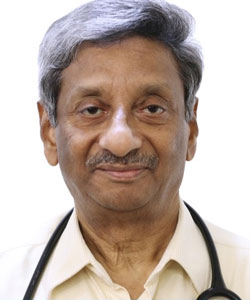 Dr Immaneni Sathyamurthy
Cardiovascular diseases (CVDs) are the leading cause of mortality, accounting for more than half of all deaths resulting from non-communicable diseases (NCDs) in India. CVDs refers to a group of diseases including heart failure, angina, myocardial infarction or heart attack, peripheral vascular diseases and sudden cardiac deaths.
Improved life expectancy has resulted in more aged people with high blood pressure and diabetes which are some of the common predisposing conditions to develop heart failure later. With availability of effective treatments for massive heart attack victims, more patients are surviving with severely damaged heart muscles, but often come back with congestive heart failure.
Heart failure is an important global health problem, affecting about 26 million people worldwide and 5.4 million in India. It is associated with high mortality and is estimated to have cost the global economy around US$100 billion in 2012.
Heart failure doesn’t mean that the heart has failed and will stop working, but it is a potentially life-threatening condition where the heart cannot pump enough blood around the body. In most cases, this happens when the heart muscle, which is responsible for the pumping action, weakens or stiffens over time.
A recently published International Congestive Heart Failure (INTER-CHF) study, conducted across India, Africa, China, the Middle East, Southeast Asia and South America, highlighted that 23per cent of Indian heart failure patients die within one year of diagnosis. Of the total deaths, 46per cent are due to cardiac reasons alone.
The study also highlighted that heart failure patients in India are approximately 10 years younger than patients in US and Europe. Mean age at the time of death was 59 years in India.
Diabetics, smokers and people with high blood pressure or with a family history of heart problems are most susceptible to heart failure. It is recommended that such high-risk people should go for a check-up early in life when they are in their mid-30s to determine the level of risk that they are carrying.
Being a progressive disease, the symptoms of heart failure vary as per the magnitude of damage suffered by the heart muscle. Some key symptoms to be watchful for are shortness of breath, chest pain, swollen ankles, legs or abdomen, unexplained weight gain, loss of appetite, increased night time urination, excessive fatigue, dizziness, fainting or severe weakness, or coughing up foamy mucus. Such symptoms should not be ignored as signs of ageing and immediate medical help should be sought.
Heart failure is diagnosed through an examination of medical history, symptoms and presence of risk factors such as high blood pressure or diabetes, and few laboratory tests — echocardiogram, chest X-ray, cardiac stress tests, heart catheterisation and MRI.
While precaution is extremely crucial, one should not give up hope if diagnosed with heart failure. Today, there are enough treatment options and good doctors available to manage heart failure. While lifestyle modifications are mandatory, medication is the mainstay of therapy for patients with heart failure. Medication helps rid the body of extra fluid, strengthen the heart’s contraction, and ease the heart’s workload by relaxing the blood vessels and reducing the resistance to pumping blood. The desired outcomes for heart failure management are reducing symptoms, improving quality of life and prolonging life.
A new class of drug, sacubitril or valsartan is being used to treat heart failure. It is found to be highly effective, and achieved a substantial 20 per cent further reduction in death or repeat hospitalisation amongst patients.
Maintaining a healthy diet, exercising daily and quitting smoking are key to keep your heart healthy and free from the danger of diseases like heart failure:
Diet:
Avoid processed, packaged and junk food which are often high in sugar and fat
Swap sweet, sugary treats for fresh fruit as a healthy alternative
Try to eat five portions (about a handful) of fruit and vegetables a day
Limit alcohol consumption to minimum
Exercise:
Aim for at least 30 minutes of moderate-intense activity five times a week
Playing, walking, housework, dancing — they all count!
Be more active every day — take the stairs, walk or cycle instead of driving
Exercise with friends and family — you’ll be more motivated
Before you start any exercise plan check with a healthcare professional
Download an exercise app or use a pedometer to keep track of your progress
Quit Smoking:
Within two years of quitting, the risk of coronary heart disease is substantially reduced
Within 15 years the risk of CVD returns to that of a non-smoker
Exposure to passive smoking is also a cause of heart disease in non-smokers
Ask for professional advice on how to quit, if required
Padma Shri Dr Immaneni Sathyamurthy, is the director of department of cardiology, Apollo Hospitals, Chennai